Why You’re Busy but Still Not Making Money (And How to Fix It)

You Might Regret Reading This: The Hidden Bacteria Living in Your Home (And Where It’s Worst)

You wipe counters. You vacuum. You scrub the toilet. Your home looks clean.

But the truth? The highest concentrations of bacteria, germs, and odor-causing buildup in your home are often hiding in places you rarely clean.

Let’s talk about the real germ hotspots—and exactly how to disinfect and deep clean them properly for a healthier home.

1. Your Kitchen Sponge (The Dirtiest Item in Your Home)

A kitchen sponge can hold more bacteria than a toilet seat. Warm, wet, and full of food particles, it becomes a breeding ground for E. coli and salmonella that spreads germs across your kitchen counters and dishes.

How to clean it effectively:

  • Microwave a damp sponge for 60 seconds daily or
  • Run it through the dishwasher on a heated cycle
  • Replace it every 1–2 weeks

2. Sink Drain & Disposal

Your kitchen sink drain and garbage disposal collect food debris that forms a bacteria-filled biofilm you can’t see but often smell.

How to clean it effectively:

  • Pour boiling water down the drain
  • Follow with baking soda + vinegar
  • Scrub inside the drain with a bottle brush weekly

3. Toothbrush Holder

This is one of the most overlooked germ hotspots in the bathroom. It collects dripping toothpaste, standing water, and airborne bacteria from toilet flushing.

How to clean it effectively:

  • Wash in the dishwasher weekly or
  • Soak in hot, soapy water with disinfectant

4. Light Switches & Door Handles

These high-touch surfaces are covered in hand oils, dirt, and bacteria but rarely included in routine house cleaning.

How to clean it effectively:

  • Wipe with disinfectant wipes 2–3 times per week
  • Don’t forget cabinet knobs and appliance handles

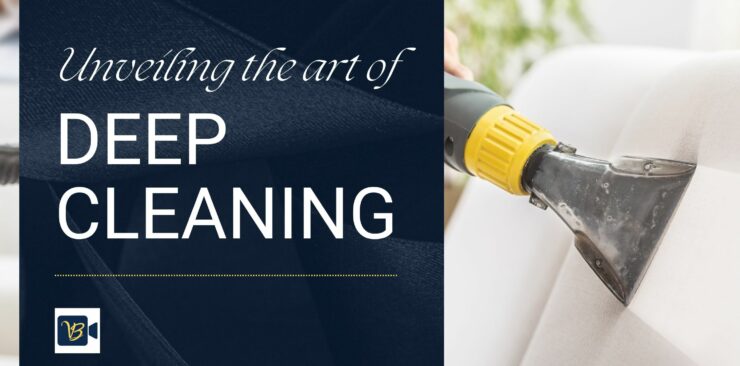
5. Your Couch

Upholstered furniture traps skin cells, crumbs, pet dander, dust mites, and odor-causing bacteria deep in the fabric.

How to clean it effectively:

  • Vacuum cushions weekly
  • Sprinkle baking soda, let sit 20 minutes, vacuum
  • Steam clean or upholstery clean monthly

6. Bed Pillows

Over time, pillows collect dust mites, dead skin, sweat, and bacteria that affect sleep quality and indoor air quality.

How to clean it effectively:

  • Wash pillows every 3 months
  • Use pillow protectors
  • Replace every 1–2 years

7. Remote Controls

Everyone touches it. Almost no one disinfects it. Remote controls are a major source of germ transfer in living rooms.

How to clean it effectively:

  • Wipe with alcohol-based disinfectant weekly
  • Use a cotton swab for buttons

8. Laundry Hamper

Sweaty clothes, damp towels, and worn fabrics create a bacteria incubator inside your laundry basket.

How to clean it effectively:

  • Wipe or wash hamper monthly
  • Use a washable liner

9. Refrigerator Handles & Drawers

Raw meat juices, produce residue, and constant handling make these areas a hidden source of bacteria in the kitchen.

How to clean it effectively:

  • Wipe handles daily
  • Remove and wash drawers weekly with hot soapy water

10. Your Phone

You carry it everywhere, including the bathroom and kitchen. Phones often carry more bacteria than many household surfaces.

How to clean it effectively:

  • Wipe with alcohol-based wipes daily

Most people clean what they can see. Bacteria live where you don’t look. When you start targeting these hidden germ hotspots with proper disinfecting and deep cleaning habits, your home won’t just look clean—it will actually be clean.

Sincerely,
Robin Crockett
Founder & CEO, Heaven Scent Home Cleaning & Virtual Bid

2025 Cleaning Business Trend Recap – and How to Get Ahead in 2026

2025 Recap: What Really Changed for Cleaning Businesses

2026 Predictions: Where Smart Cleaning Businesses Are Heading

2. Experience Will Matter More Than Price

will win more work than those racing to be the cheapest.

The #1 Tool Franchises Are Using — and Why Small Cleaning Businesses Will Too in 2026

The Most Important Thing You’ll Read As A Cleaning Business Owner

Why Most Cleaning Businesses Struggle (and How to Avoid It)

1. They Undercharge—And Burn Out

2. They Market the Wrong Way

3. They Hire Without a System

4. They Lack Professional Documentation

Designed by a 30-Year Industry Veteran

What’s Included in the Cleaning Business Starter Kit?

Final Thoughts: Skip the Guesswork

The Complete List of Forms, Contracts, and Checklists You Need to Start a Cleaning Business

Are Background Checks Enough? The Hidden Risks in Hiring Cleaners

The Cleaning Industry’s Dirty Secret: Most Owners Don’t Know Their Numbers

If you’re running a cleaning business and don’t know your numbers, you’re not an owner — you’re just another overworked cleaner with paperwork.

This industry is full of hustlers charging $40/hour, proud of their 5-star reviews… while losing money every single week. Why?

Because they don’t know how to measure what actually matters.

In this post, I’m walking you through the 3 core financial numbers every cleaning business owner must master to grow and stay profitable:

👉 Profit Margin

👉 Labor Cost Percentage

👉 Customer Lifetime Value (LTV)

Let’s break them down — with simple examples you can plug your own numbers into right now.

1. Profit Margin: Are You Actually Making Money?

What it is:

Your profit margin is the percentage of revenue you keep after paying expenses. If you’re making $10,000/month and keeping $800, you have an 8% profit margin — not great.

How to calculate it:

Net Profit ÷ Total Revenue × 100 = Profit Margin %

Example:

  • Revenue this month: $10,000
  • Total expenses (labor, products, gas, software, insurance, etc.): $8,500
  • Net profit: $1,500

$1,500 ÷ $10,000 × 100 = 15% Profit Margin

A healthy cleaning business should aim for at least 15%–25% net profit.

If you’re below 10%, you’re either underpricing or overspending.

2. Labor Cost %: Your Biggest Expense

Labor is usually 50–70% of a cleaning company’s total cost. If you don’t track it, it’ll bleed you dry — especially if you’re overstaffed, undertrained, or undercharging.

How to calculate it:

Total Labor Costs ÷ Total Revenue × 100 = Labor Cost %

Example:

  • Weekly revenue: $2,500
  • Labor cost (hourly pay + payroll taxes): $1,350

$1,350 ÷ $2,500 × 100 = 54% Labor Cost

Your target should be under 55% to stay profitable.

If you’re at 60–70%, either your prices are too low or your team is working too slowly.

Pro Tip: Track cleaning times. If a 2-hour job takes 3 hours, that’s a 33% labor cost increase you’re absorbing.

3. Customer Lifetime Value (LTV): Are You Thinking Long-Term?

Most owners obsess over one-time jobs. Smart owners build businesses off repeat clients — and know how much each one is worth over time.

How to calculate it:

Average Job Value × Jobs Per Year × Average Client Retention in Years = LTV

Example:

  • Average job: $160
  • Average cleanings per year: 20 (biweekly)
  • Average retention: 3 years

$160 × 20 × 3 = $9,600 Lifetime Value

That means one repeat client is worth $9,600.

Would you invest $100 to acquire one? Probably. But if you don’t know their LTV, you might say that lead was too expensive — and lose out on thousands.

Know your LTV so you can confidently spend money on ads, lead gen, and referrals.

Bonus: The Hidden Killer — Not Paying Yourself

Pay yourself a set monthly amount — even if it’s small at first. Build profit and owner pay into your pricing model from day one.

The Bottom Line

You can’t grow what you don’t measure.

If you’re not tracking:

  • How much profit you keep
  • What labor is costing you
  • How much a client is really worth…

…you’re scaling chaos, not a company.

Know your numbers — or stay stuck cleaning your way into burnout.

Now go take a bite out of grime! ✨

Sincerely,
Robin Crockett
Founder & CEO, Heaven Scent Home Cleaning & Virtual Bid

Are You Still Cleaning… or Are You Running a Business?

The 10-Minute Client Walkthrough That Closes 90% of Bids